
Table of Contents[Hide][Show]
Rotator cuff injuries can be painful, debilitating, and slow to heal. Even after surgery or extensive physical therapy, many people continue to experience weakness, pain, and limited range of motion that make it difficult to work safely or consistently. When these limitations interfere with your job duties, you may be entitled to long-term disability (LTD) benefits under your disability insurance policy.
Unfortunately, insurance companies often downplay the severity of shoulder injuries, arguing that claimants can perform “light duty” or sedentary work. A well-documented claim or appeal is essential to prove how your condition truly affects your ability to work.
Understanding Rotator Cuff Injuries
The rotator cuff is a group of muscles and tendons that stabilize the shoulder joint and allow the arm to move freely. Damage to these tissues can occur suddenly from a fall or lifting injury or gradually through repetitive use over time.
Common causes include:
- Repetitive overhead movements
- Sports-related strain
- Workplace lifting or overuse injuries
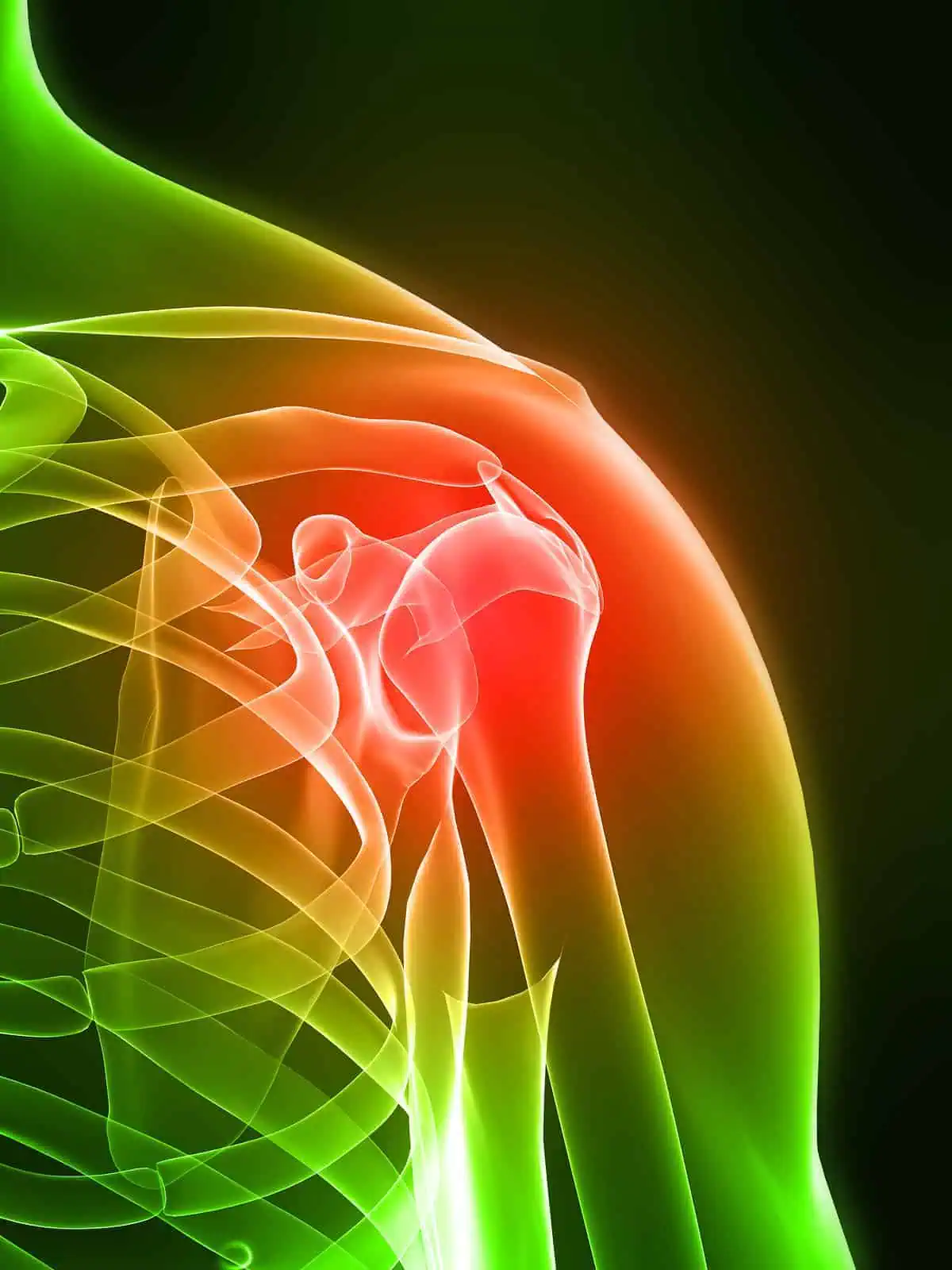
Rotator cuff damage can range from inflammation and partial tears to full-thickness tears requiring surgical repair. Even after surgery, many people experience stiffness, nerve pain, or lingering weakness that makes full recovery difficult.
Symptoms and Functional Limitations
Typical symptoms of a rotator cuff injury include:
- Shoulder pain that worsens with movement or lifting
- Pain radiating down the arm
- Weakness when raising or rotating the arm
- Difficulty reaching overhead or behind the back
- Pain at night that disrupts sleep
- Reduced ability to perform repetitive or forceful movements
These symptoms can interfere with nearly every type of work, from manual labor to office jobs. Even typing or maintaining posture at a desk may become painful or impossible for extended periods.
Disability cases are not won based on diagnosis alone. They are won based on clearly documented functional limitations.
Medical Evidence to Support Your LTD Claim
Strong, objective medical evidence is the foundation of a successful LTD claim or appeal. Helpful documentation includes:
- Orthopedic and surgical records
- MRI, ultrasound, or X-ray findings
- Operative and post-surgical follow-up notes
- Physical therapy progress records
- Pain diaries and medication logs
- A detailed Residual Functional Capacity (RFC) form completed by your treating physician
Even after surgical repair, ongoing weakness, pain, or reduced range of motion can be disabling. Your evidence should clearly explain how these symptoms prevent you from performing your job duties reliably and safely.
The most common mistake I see claimants make is assuming imaging alone will prove disability. Insurance companies focus on function — what you can and cannot sustain in a work setting.
Why Long-Term Disability Insurance Companies Deny Rotator Cuff Claims
Disability insurers frequently deny or terminate rotator cuff claims for reasons such as:
- Assuming full recovery after surgery
- Minimizing ongoing weakness or limited motion
- Relying on file reviewers who never examine you
- Mischaracterizing surveillance or daily activities
- Suggesting you can perform sedentary work without considering pain, medication side effects, or endurance limitations
Your appeal must directly address these assumptions with updated medical evidence and clear functional analysis.
When a Shoulder Injury Ends a Career
A warehouse manager tears his rotator cuff while lifting inventory. Despite surgery and months of rehabilitation, he continues to experience weakness and burning pain that prevent him from lifting or reaching overhead. His insurer terminates benefits, claiming he can perform “light duty” work.
Ortiz Law Firm submits an appeal supported by updated imaging, an RFC form from his surgeon, and a vocational report showing how his ongoing symptoms and medication side effects make sustained work unrealistic. The insurer reverses its decision and reinstates his benefits.
Proving Your Case: The 3 Pillars of a Successful Rotator Cuff Disability Claim
A rotator cuff tear alone does not guarantee approval of a long-term disability claim. Insurance companies evaluate claims using a structured process, and your evidence must address each part of that process clearly and consistently. In my experience handling orthopedic disability appeals, successful rotator cuff claims are built on three essential pillars: objective medical evidence, documented functional limitations, and a clear connection between those limitations and the demands of your occupation.
- The first pillar is objective medical evidence. This includes diagnostic imaging such as MRIs or ultrasounds confirming the tear, surgical and operative reports, orthopedic evaluations, and physical therapy records documenting reduced strength or range of motion. This evidence establishes that your injury is medically legitimate and supported by clinical findings. However, imaging alone rarely carries the claim.
- The second pillar is documented functional limitations. Insurance companies are not simply evaluating whether you have a shoulder injury; they are evaluating how that injury affects your ability to work. Your records should clearly outline what you cannot do in practical, measurable terms. A detailed Residual Functional Capacity (RFC) assessment from your treating physician is often critical. It should define lifting limits, restrictions on overhead reaching, limits on repetitive arm use, and any endurance issues that prevent sustained activity throughout a normal workday.
- The third pillar is a clear link between your medical restrictions and your occupational duties. This is where many otherwise valid claims break down. Your evidence must explain why your documented limitations prevent you from performing the essential tasks of your specific occupation. For example, if your RFC restricts overhead reaching and your job requires stocking inventory, handling materials above shoulder height, or sustained arm elevation, that connection must be explicitly made. Without it, insurers frequently argue that although you are injured, you remain capable of working.
When these three pillars align — medical proof, functional limitations, and occupational impact — your claim presents a coherent and evidence-based explanation of disability. That structure significantly strengthens both initial claims and appeals.
What to Do If Your Rotator Cuff LTD Claim Is Denied
Receiving a denial letter after months of treatment and recovery efforts can be deeply discouraging. However, an initial denial is common in long-term disability cases and does not mean your claim lacks merit. Many approved claims begin with a denial and are later reversed on appeal.
If your claim has been denied, the first step is to carefully review the denial letter. The insurer is required to explain the reasons for its decision. These reasons typically identify what the company believes is lacking in your medical evidence or functional documentation. Understanding those stated deficiencies is critical to preparing a focused and effective appeal.
The next step is to request a complete copy of your claim file. This file contains all of the materials the insurance company relied upon in making its decision, including medical records, internal notes, file reviews, surveillance reports, and any opinions from “independent” medical examiners. Reviewing the claim file allows you to identify inaccuracies, gaps in documentation, or mischaracterizations of your condition that must be corrected.
Equally important is identifying and calendaring the deadline to submit your appeal. Under most policies — particularly ERISA-governed plans — this deadline is strict. Missing it can permanently bar you from challenging the denial in court. Prompt action is essential.
The appeal stage is often your best opportunity to strengthen the record by submitting updated medical evidence, detailed functional assessments, and vocational analysis addressing the insurer’s stated reasons for denial. A carefully structured appeal built around the three pillars described above can significantly increase the likelihood of reversing an adverse decision.
Rotator Cuff Injuries and Social Security Disability (SSDI)
Many individuals pursuing long-term disability benefits are also required by their insurance company to apply for Social Security Disability Insurance (SSDI). The two claims often move forward at the same time, and the medical evidence supporting one can strengthen the other.
Unlike LTD policies, Social Security evaluates whether you can perform any substantial gainful work, not just your prior occupation.
How Social Security Evaluates Shoulder Injuries
The Social Security Administration does not have a specific listing for rotator cuff injuries. Instead, these claims are reviewed under broader musculoskeletal rules.
To qualify, you must show:
- Your condition is expected to last at least 12 months
- Your shoulder injury significantly limits your ability to use your arm for work-related tasks
- You cannot return to past work or adjust to other work
Social Security focuses heavily on functional capacity. They evaluate whether you can:
- Reach overhead
- Lift and carry weight consistently
- Perform repetitive arm movements
- Sustain activity throughout an eight-hour workday
If your condition does not meet a specific listing, the SSA will assess your Residual Functional Capacity to determine what work, if any, you can still perform.
The same principle applies here as with LTD claims: diagnosis alone is not enough. Clear documentation of restricted function is critical.
Coordinating LTD and SSDI Claims
Because LTD insurers often require you to apply for Social Security benefits, inconsistencies between the two claims can create problems. Descriptions of your limitations must align across both systems.
A properly prepared functional capacity evaluation can strengthen both claims simultaneously. When handled strategically, the medical and vocational evidence developed for an LTD appeal can also support your SSDI case. Many claimants prefer an attorney who can handle both claims.
How Ortiz Law Firm Helps with Disability Claims
Every rotator cuff injury is unique. The insurer’s decision often hinges on whether your records clearly connect your symptoms to your inability to perform occupational duties.
When you hire Ortiz Law Firm, we:
- Review your entire claim file
- Identify missing or contradictory evidence
- Obtain detailed functional opinions from your treating providers
- Challenge biased medical reviews
- Address surveillance or mischaracterized activity
- Prepare persuasive appeals supported by medical and vocational evidence
In my experience handling orthopedic disability appeals, the strongest cases clearly translate medical findings into real-world work limitations. Our team ensures insurers and the SSA cannot minimize your pain, weakness, or endurance limitations.
Request a Free Case Evaluation or Denial Letter Review
If your long-term disability claim for a rotator cuff injury has been denied or terminated, Ortiz Law Firm can help you fight back against an unfair LTD denial. We’ll review your denial letter, identify the weaknesses in the insurer’s reasoning, and outline a strategy to secure your benefits.
We can also help you apply for Social Security Disability benefits, appeal a denial, or represent you at a hearing before and Administrative Law Judge.
Call (888) 321-8131 and schedule a free case evaluation today to learn how we can help you get the disability benefits you deserve.
Sources
- Cleveland Clinic. “Rotator Cuff Tear” Retrieved from: (https://my.clevelandclinic.org/health/diseases/8291-rotator-cuff-tear) Accessed on November 3, 2025
- Mayo Clinic. “Rotator cuff injury” Retrieved from: (https://www.mayoclinic.org/diseases-conditions/rotator-cuff-injury/symptoms-causes/syc-20350225) Accessed on November 3, 2025
